Home AC Unit Maintenance: What Every Homeowner Needs to Know
Home AC unit maintenance was never something I thought about as a renter. I just knew it was important and to complain to my landlord whenever something went wrong. However, as a homeowner, now it’s a mission critical part of my home that I want to feel confident in all year round.
In my personal history, I’ve had AC units break, run out of refrigerant and worse. But as a home owner, I also have smaller issues about… where to find the air filters, how to change the direction of the air flow, and a lot more mundane things that still make a huge difference!
AC maintenance isn’t complicated. But you have to know what to look for.
Change Your Air Filters Regularly
This is the single most important thing you can do for your AC system. A clogged filter makes the unit work harder, drives up your energy bill, and can cause the system to freeze up or fail entirely.
Find every filter in your home. In most homes they’re at the HVAC unit. In older homes they can be on intake vents in ceilings or walls throughout the house. Check every room.
Replace filters every 60-90 days. More often if you have pets or allergies. Write the date on the filter when you install it so you always know how old it is.
Check Your Refrigerant
If your AC is running but not cooling your refrigerant may be low. Signs include:
- Warm air coming from vents despite the unit running
- Ice forming on the refrigerant lines outside
- Higher than normal energy bills
- The unit running constantly without reaching the set temperature
Low refrigerant isn’t a DIY fix. Call an HVAC technician. They’ll check for leaks, repair them, and recharge the system. Ignoring it damages the compressor, which is the most expensive part of the system. But check out the above video or use some freon pressure gauges if you are feeling up to the tasks!
Clean the Outdoor Unit
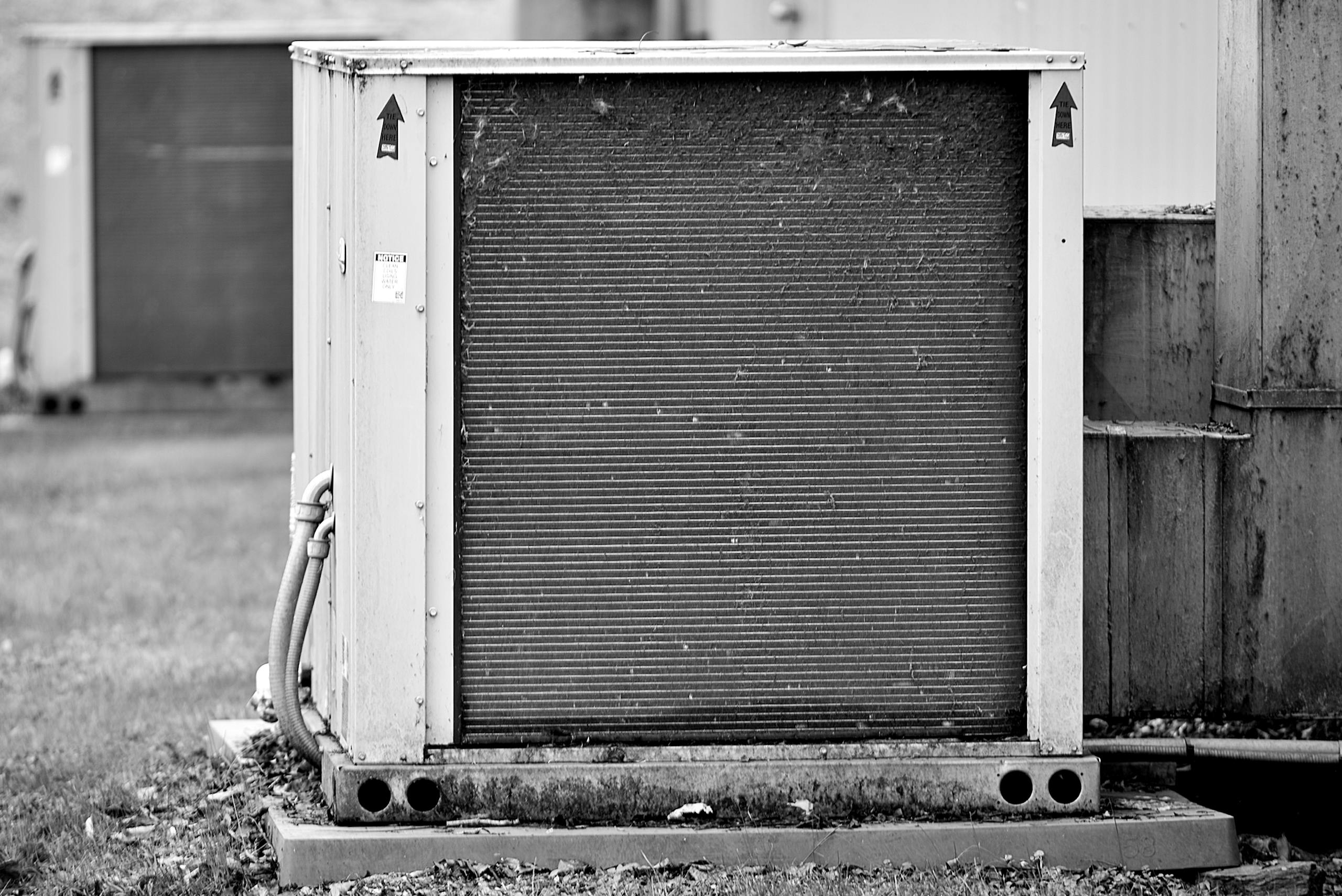
The outdoor condenser unit needs airflow to work efficiently. Keep at least two feet of clearance around it. Remove leaves, grass clippings, and debris from around the base. Gently hose down the fins if they’re visibly dirty.
Never cover the unit while it’s running and make sure it’s fully uncovered before you turn on AC for the first time each spring.
If you have the skills.. you can start to really open up the unit following the video above, clean the coils and more!
Schedule Annual Professional Service
Get your AC professionally serviced every spring before you need it. A technician will:
- Check refrigerant levels
- Clean the coils
- Inspect electrical connections
- Test the thermostat
- Check drainage lines
Catching a small problem in spring costs a fraction of what an emergency repair costs in the middle of summer.
Know How to Change Airflow Direction
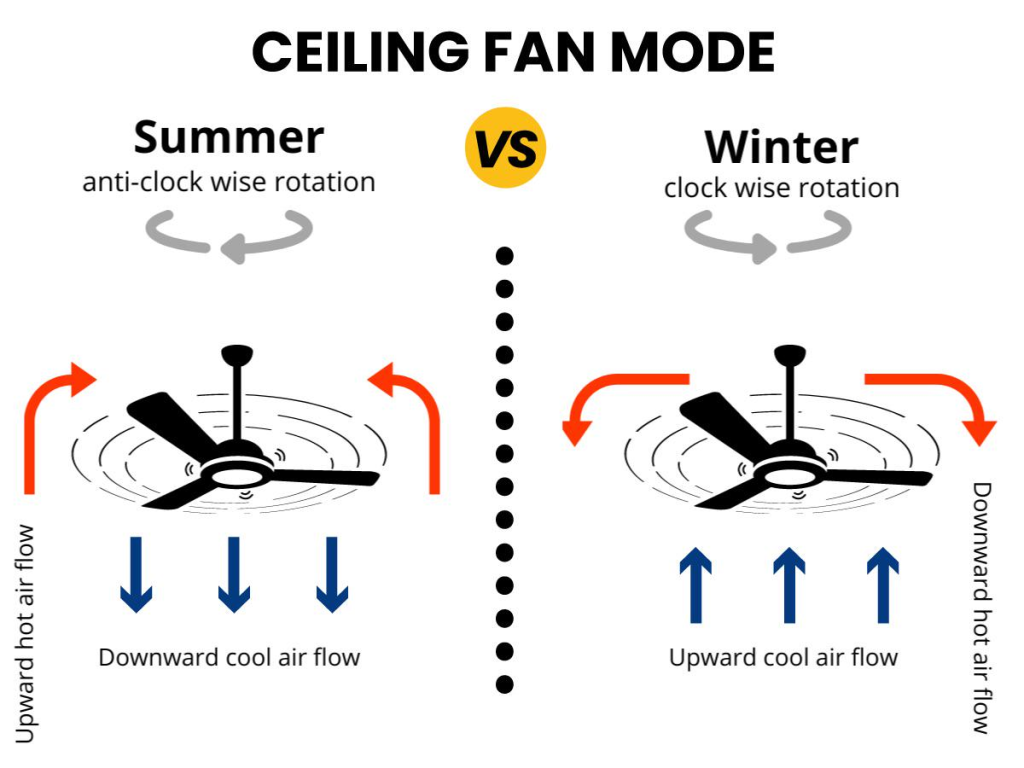
Most ceiling fans have a small switch on the motor housing that reverses blade direction. In summer you want counterclockwise rotation on higher speed to push air down and create a cooling effect. In winter switch to clockwise on low to push warm air that collects near the ceiling back down into the room.
This one change makes a noticeable difference in comfort and energy bills. Most people never touch that switch.
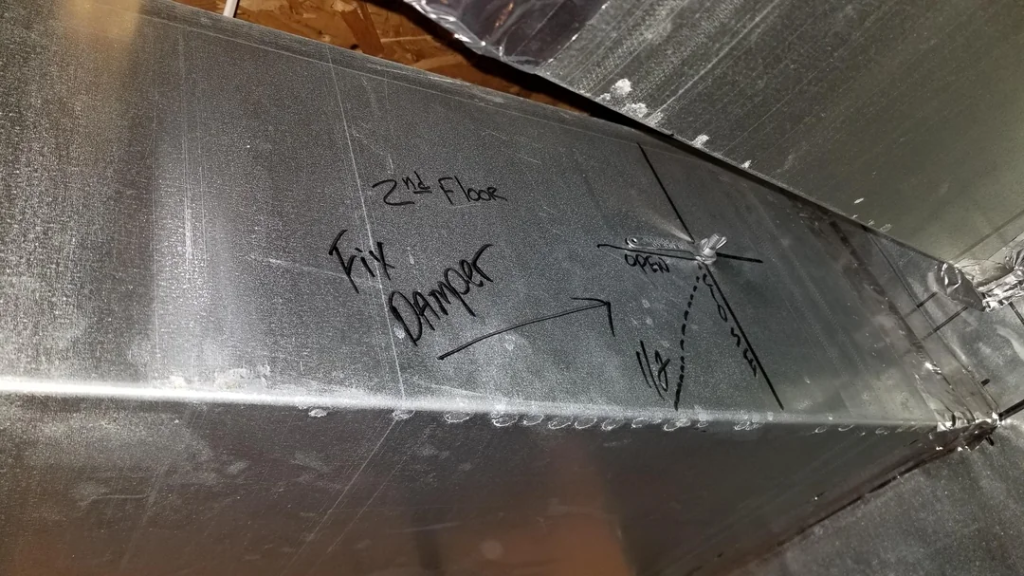
Likewise — make sure the airflow through the ducts of your house is also going the right direction! Theres typically a damper inside that you can use to switch between summer and winter modes.
The Easiest Way to Stay on Top of AC Maintenance
AC maintenance isn’t hard. The problem is remembering to do it at the right time of year. Week 4 and Week 13 of the Home Checkup Guide 52-week checklist cover HVAC service and filter replacement as part of your spring routine. Week 39 covers winterizing the unit before cold weather arrives.
Subscribe to the weekly Home Checkup Guide newsletter and you’ll get a reminder at exactly the right time.